
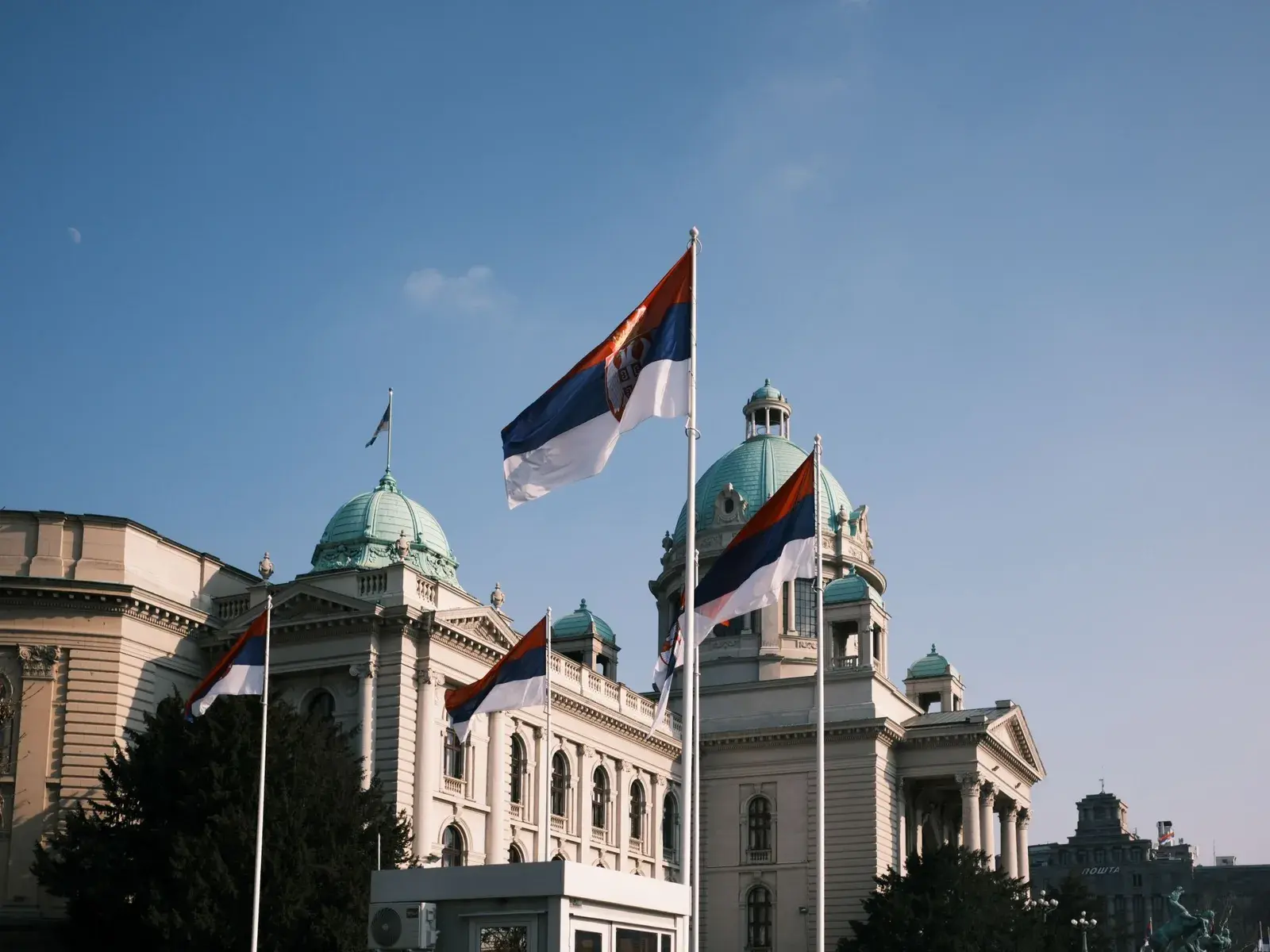
Changes in political leadership can raise important questions about country conditions in asylum and immigration proceedings. Elections, changes of government, ministerial appointments and shifts in political priorities might be relevant to understanding the political environment in a country of origin. However, a change in leadership does not necessarily mean that the treatment of a particular group has changed or that an individual's circumstances have become safer or more difficult.
In Western Balkans asylum cases, the relevance of political developments depends on the country concerned, the nature of the reported risk, the institutions involved and the available evidence. Where instructed to address these issues, a country expert may examine relevant developments and explain their significance within the limits of their expertise.
This article considers how changes in political leadership may affect the assessment of country conditions, why the distinction between political developments and conditions on the ground matters, and how country information may be evaluated without making assumptions about an individual's circumstances.
Why Political Leadership May Matter in Asylum Cases
Political leadership can influence public policy, institutional priorities and the administration of state bodies. Depending on the circumstances, developments at national level may be relevant to questions about political activity, minority rights, public accountability, policing or the treatment of particular groups.
However, the relationship between political leadership and conditions experienced by individuals is not always straightforward. A change in government might be accompanied by changes in policy, while some institutions, administrative practices and local conditions may continue over a longer period.
Country expert evidence may help explain the relevant political and institutional context. Its purpose is not to assume that a political transition has produced a particular outcome, but to examine what the available evidence indicates about the issues within the expert's remit.
Distinguishing Political Change From Changes in Country Conditions
A central consideration is whether a political development has resulted in a documented change in the conditions relevant to the case.
An election result, a new coalition agreement or a change in senior government personnel may provide important context. It does not, by itself, establish that laws are being implemented differently, that public authorities have changed their practices or that the circumstances of a particular group have improved or deteriorated.
Changes in government policy
A new administration may announce changes to policy priorities, institutional responsibilities or approaches to particular social and political issues.
Where relevant to the instructions, a country expert may examine available evidence concerning the nature and implementation of those changes. Sources may include official policy documents, legislation, administrative measures and reporting from credible independent organisations.
A distinction might be necessary between a policy announcement and evidence of its practical implementation. The timing, scope and documented effects of a change can be important when considering its relevance to country conditions.
Continuity within state institutions
Changes in political leadership do not necessarily result in equivalent changes throughout the public administration.
The composition of government may change while police structures, judicial institutions, local authorities or other public bodies continue to operate under existing arrangements. Conversely, institutional changes may occur without a complete change in political leadership.
Where relevant to the instructions, country evidence may examine the relationship between political developments and the institutions connected with the issues raised in the case.
The difference between national policy and local practice
National political developments may not be reflected uniformly across every municipality or region.
Local administrative arrangements, institutional capacity and the implementation of public policy may vary. The available evidence may therefore need to be considered at both national and local levels.
This distinction can be particularly relevant where an asylum claim concerns events in a specific locality or where conditions in a proposed destination form part of the issues requiring examination.
Political Leadership and the Assessment of State Protection
In some asylum cases, the political environment may be relevant to questions concerning access to public authorities or the response of state institutions to reported harm.
A country expert may be instructed to examine country information about the relevant institutions, their responsibilities and any documented changes that relate to the issues in the case.
Depending on the evidence available, this may include:
- Changes in the organisation or responsibilities of relevant public bodies
- Reported changes in policing priorities or administrative practices
- Publicly documented measures concerning accountability
- Information about the implementation of relevant legislation or policy
- Reporting on the treatment of people who raise complaints against public officials or other actors
- Differences between formal procedures and reported practice
The relevance of these matters depends on the country, the nature of the reported risk and the specific questions put to the expert.
Political change should not automatically be treated as evidence that effective protection is available. Equally, the continuation of a political party or administration does not, by itself, establish that protection is unavailable. Any assessment of country conditions requires consideration of the relevant evidence rather than assumptions based solely on political affiliation or leadership.
Political Opposition and Reported Persecution
Changes in government may be relevant in cases involving political opposition, participation in demonstrations, political campaigning or other forms of political activity.
However, the implications of a political transition may differ according to the individual's circumstances and the available country evidence.
Changes affecting political opposition
A change in government may alter the relationship between governing parties and opposition groups. It may also affect public debate, political priorities or the administration of particular institutions.
Where these issues are relevant, a country expert may examine reliable reporting about the political environment, the treatment of opposition figures and any documented changes affecting political participation.
The analysis should distinguish between the general position of an opposition party and evidence concerning particular categories of individuals. The treatment of prominent political figures, for example, may not necessarily establish how all supporters or members are treated.
Political activity at local level
National political developments may not fully explain conditions in a particular municipality.
Depending on the case, local political relationships, administrative structures and reported interactions between individuals and public authorities may be relevant to understanding the context.
Country expert evidence may address these matters where supported by reliable information and where they fall within the expert's area of expertise. It should not infer that a person will experience a particular outcome simply because they live in an area associated with a particular political group.
Historical events and current conditions
An individual's account may concern events that occurred under a previous administration.
A change in political leadership may be relevant to understanding whether the wider context has changed since those events. However, the passage of time or a change of government does not automatically resolve questions about the continuing relevance of earlier events.
A country expert may examine developments since the reported events, including changes in policy, institutions or the broader political environment. The relevance of these developments to an individual remains a matter for consideration alongside the other evidence in the case.
Political Change and Minority Rights
Political leadership may also be relevant to country evidence concerning ethnic, religious or other minority communities, depending on the circumstances.
Changes in public policy, legislation or government priorities may affect the formal framework for protecting rights. Nevertheless, the existence of legal protections does not necessarily describe how those protections operate in practice in every location.
Where instructed, a country expert may consider available evidence about relevant laws, public policies, institutional responsibilities and reported experiences of the community concerned.
The analysis may also need to distinguish between conditions affecting a group generally and issues specific to a particular locality or category of people.
Care is needed to avoid treating a diverse community as if all its members experience the same conditions. Country evidence should reflect the available material and acknowledge relevant differences or limitations.
Assessing Sources About Political Developments
Political transitions can generate substantial amounts of reporting, commentary and public statements. Not every source provides the same type or quality of evidence.
A country expert may need to consider the reliability, relevance, date and scope of the material used to understand a political development.
Official statements and policy documents
Government announcements, legislation, official policy documents and institutional publications may help establish what has formally been announced or introduced.
However, an official statement does not necessarily establish how a measure operates in practice. Where the practical effect of a policy is relevant, other sources may be needed to provide additional context.
Independent reporting and research
Reporting from reputable news organisations, recognised human-rights bodies, international organisations and academic researchers may provide information about implementation, institutional conduct and reported experiences.
The relevance of these sources depends on their methodology, geographic coverage and the specific issue being examined. Differences between sources may also need to be acknowledged rather than resolved through unsupported assumptions.
Dates and the pace of change
The date of a source can be particularly important when political leadership or government policy has recently changed.
An older report may describe conditions under a previous administration. It may still be useful for historical context, but it should not automatically be treated as a complete account of current conditions.
Similarly, a recent announcement may not provide sufficient evidence of the longer-term effects of a policy. The available material should be considered in its proper temporal context.
Why Country-Specific and Local Analysis Matters in the Western Balkans
The Western Balkans comprises countries with distinct political systems, institutions, histories and social circumstances. Developments in one country should not automatically be used to draw conclusions about another.
Even within an individual country, the relevance of a political development may depend on the location, institution or group concerned.
For example, evidence about changes in national government may need to be considered alongside information about local administration, policing or the implementation of relevant policies. The appropriate scope of the analysis will depend on the particular country and the questions raised in the case.
Balkan Expert Witness provides country-focused expertise across the region. Further information about the countries covered is available on the regional coverage page.
The Role and Limits of Country Expert Evidence
Country expert evidence can provide context about political developments and their potential relevance to conditions in a country of origin. It does not replace the legal assessment undertaken by the relevant decision-maker.
A country expert does not ordinarily determine whether an individual is telling the truth, whether a reported event occurred or whether the legal requirements for protection have been met.
Nor should a report treat a change in political leadership as a guarantee of improved conditions, continuing persecution or any particular future outcome.
The analysis should remain within the expert's area of expertise and explain the basis for conclusions drawn from the available country evidence. Where information is incomplete, disputed or subject to change, those limitations might be relevant to understanding the assessment.
Further information about the areas covered by country expert reports is available on the expertise page.
Conclusion
Changes in political leadership may be relevant to asylum cases where they affect, or provide context for, the country conditions under examination. Their significance depends on the nature of the change, the evidence of its implementation, the institutions involved and the circumstances of the case.
Country expert evidence may examine changes in government policy, institutional continuity, political opposition, minority rights and local conditions where these matters fall within the instructions. It should distinguish formal announcements from documented practice and historical circumstances from more recent developments.
A careful, country-specific approach can help explain the context in which an individual claim is considered without assuming that political change automatically determines a person's circumstances or the outcome of proceedings.
For information about instructing a country expert, please visit the instruction page.
Disclaimer: This article provides general information about the potential relevance of political developments to country expert evidence in asylum and immigration cases. It is not legal advice and does not determine the facts or outcome of any individual case.
Last Reviewed: October 2026